
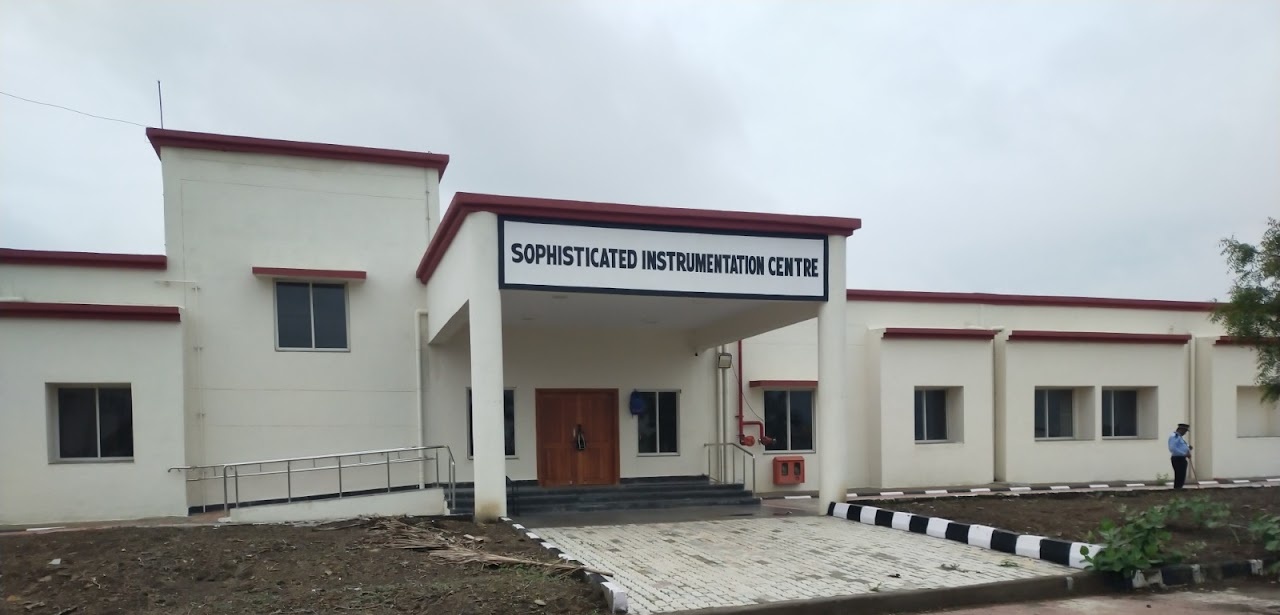
 The Sophisticated Instrumentation Centre (SIC) at the Central University of Karnataka (CUK) is a state-of-the-art central facility established to support advanced research. It houses high-end analytical instruments like Scanning Electron Microscopes (SEM), X-ray Diffractometers (XRD), NMR Spectrometers, and various spectroscopic tools. Accessible to university researchers, students, and external academic/industrial users, the SIC provides critical services for material characterization, chemical analysis, and biological studies. By offering technical expertise and cutting-edge infrastructure, the center significantly accelerates interdisciplinary research, strengthening innovation and excellence in science and technology at CUK and across the region.
The primary aim of the Sophisticated Instrumentation Centre (SIC) at CUK is to provide advanced analytical infrastructure and technical expertise to accelerate high-quality, interdisciplinary research. It seeks to foster innovation by enabling detailed material characterization, chemical analysis, and biological investigations for university scholars, students, and external users from academia and industry, thereby contributing to scientific advancement and technological development in the region.
The objectives are as below
1. Advanced Research and Analytical Tools
The SIC houses a wide range of sophisticated instruments used for various research and analytical purposes. The instruments available cater to a variety of scientific fields, including chemistry, biology, material science, physics, environmental science, and even social sciences where data analysis requires high precision instrumentation.
2. Research Support
The SIC allows students, faculty, and researchers to conduct high-level research that requires precise measurements and data collection. Researchers can perform experiments, gather critical data, and analyze materials using these advanced tools. The center encourages collaboration across different departments within the university. It provides a shared space for interdisciplinary research projects where different research teams can come together to access advanced instruments. The SIC also collaborates with other universities, research institutions, and industries, offering services for contract research or joint projects.
3. Training and Capacity Building
Regular workshops and training programs are conducted to educate students, researchers, and faculty on the proper usage of sophisticated instruments. These training sessions help users understand the principles behind the instruments and learn practical skills in operating and analyzing data. The center also offer certification programs for proficient use of specific instruments. This helps students and researchers gain valuable expertise, which can be beneficial for their future careers.Trained personnel at the center provide hands-on assistance to students and researchers, helping them set up experiments, perform analyses, and troubleshoot issues.
4. High-End Data Acquisition and Analysis
The instruments at the SIC offer high precision and accuracy in data acquisition, which is essential for producing reliable scientific results. This is particularly important for research that involves molecular analysis, structural determination, and material characterization. The center provides software and computational resources for analyzing the data obtained from various instruments. This may include tools for spectroscopy data analysis, image processing for microscopy, and advanced statistical tools for interpretation.
5. Service to External Clients
SIC opens its doors to external clients from research organizations, industries, or other educational institutions. By offering access to advanced instrumentation, the center provides valuable support for external research projects that require specialized equipment. The center will provide fee-based services to external organizations or individuals seeking to use the instruments for specific research or analysis, generating revenue for the university while fostering partnerships with the external research community.
6. Contribution to Educational Programs
The SIC allows students to gain practical exposure to modern scientific instruments, enhancing their understanding of theoretical concepts through hands-on experience. Courses offered by the university may integrate training on the use of these instruments, thereby enhancing the overall educational experience. Students in research programs will have the opportunity to use the center's resources for their thesis and projects.
7. Innovation and Entrepreneurship
By providing access to cutting-edge technology, the SIC encourages innovation and fosters an entrepreneurial mindset. Researchers and students can develop new ideas, prototypes, or products based on their work with advanced instruments. The center partners with industries involved in biotechnology, materials science, environmental testing, and other sectors. These partnerships could lead to commercialization opportunities and the development of new products and technologies.
The Sophisticated Instrumentation Centre (SIC) at Central University of Karnataka is an essential resource that facilitates cutting-edge research and development. By providing access to high-tech instruments, the center supports a wide range of scientific investigations and interdisciplinary projects unique to Kalyana Karnataka region. The center not only enhances the university's research capabilities but also prepares students and researchers for future scientific endeavors by equipping them with the skills to handle advanced technologies.
Instruments available at SIC
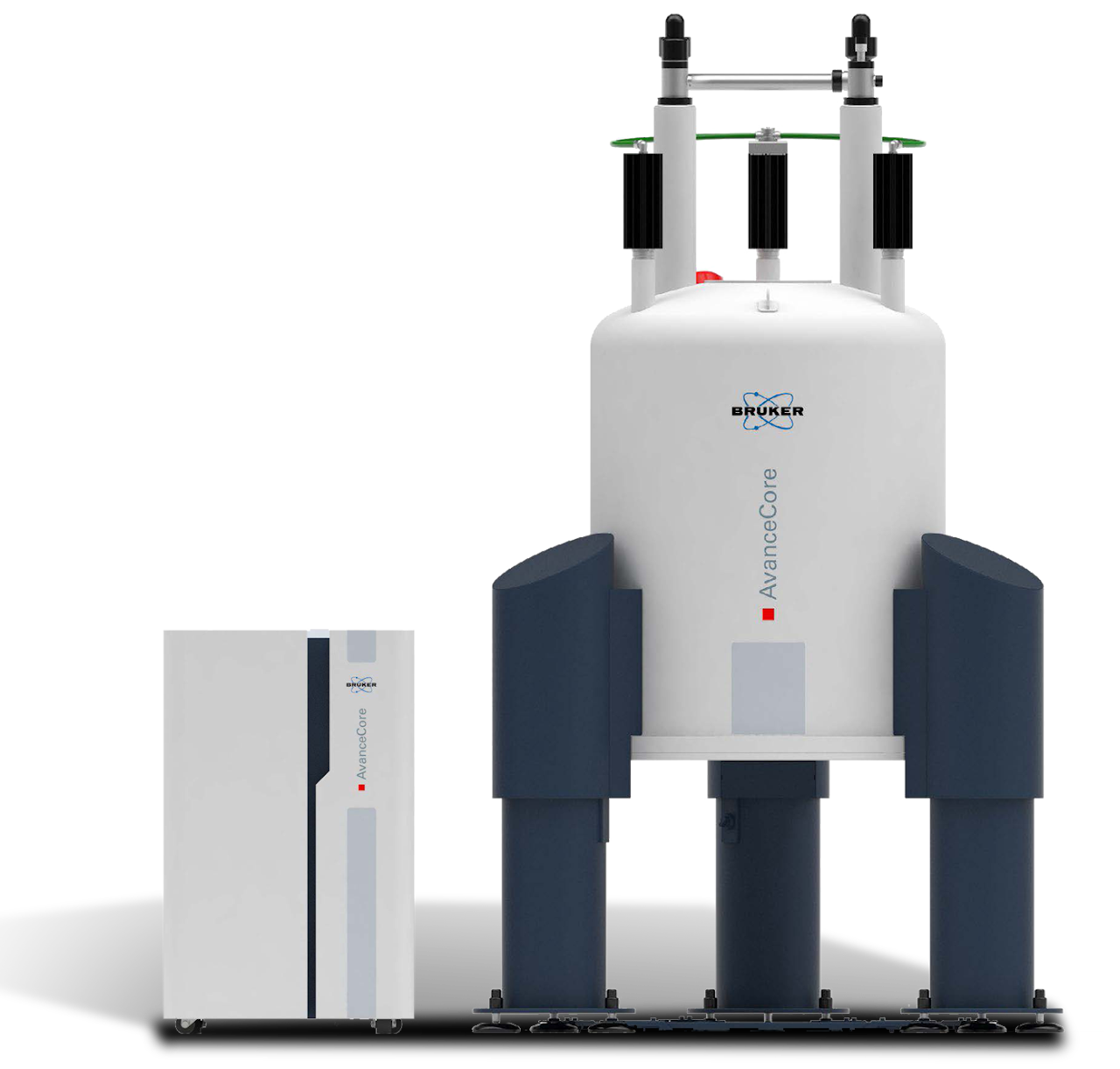
High frequency NMR
The Bruker Avance III HD 600 MHz NMR spectrometer at SIC, CUK, is a premier analytical tool for advanced molecular research. Its high magnetic field strength delivers exceptional resolution and sensitivity, enabling detailed structural elucidation and dynamics study of complex molecules. It supports a wide array of experiments, including multi-dimensional and hetero-nuclear NMR, for applications in chemistry, biochemistry, pharmaceuticals, and materials science. Equipped with a cryogenically cooled probe (CPTCI), it significantly enhances signal-to-noise ratio. This instrument is vital for characterizing organic compounds, natural products, proteins, and polymers, driving cutting-edge scientific discovery.
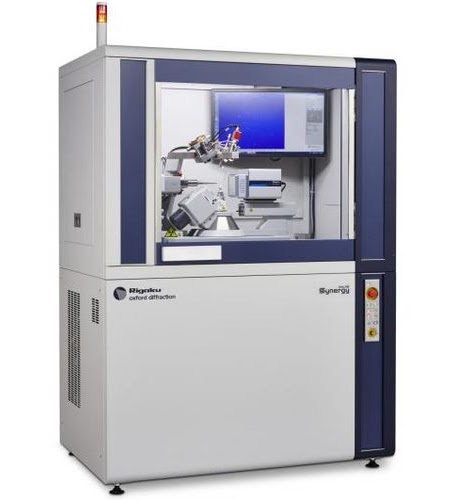
Single Crystal XRD
The Rigaku single-crystal X-ray diffractometer at the centre is a definitive tool for unambiguous molecular structure determination. It precisely analyses the three-dimensional arrangement of atoms within a crystalline sample by measuring diffraction intensities. This instrument excels in providing absolute stereochemistry, bond lengths, angles, and thermal parameters with high accuracy. It is indispensable for research in synthetic chemistry, where it confirms novel compound structures, in materials science for studying metal-organic frameworks (MOFs), and in pharmaceutical development for characterizing active ingredients. Its automated features enable efficient data collection, making it a cornerstone for precise crystallographic analysis.
Powder XRD
The Rigaku SmartLab powder X-ray diffractometer is a versatile, high-precision workhorse for material characterization. Utilizing advanced optical technology and a high-resolution detector, it provides rapid and accurate phase identification, quantitative analysis, and crystal structure refinement of polycrystalline samples. Its key features include stress and texture analysis, thin-film measurement capabilities, and high-temperature stages for in-situstudies. This fully automated system is essential for research in solid-state chemistry, metallurgy, ceramics, and pharmaceuticals, enabling scientists to determine crystallinity, phase composition, and structural parameters critical for developing new materials and optimizing industrial processes.
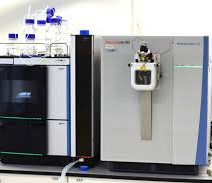
High-Resolution Mass Spectrometer
The Thermo Orbitrap Exploris 120 is a high-resolution mass spectrometer celebrated for its exceptional sensitivity, mass accuracy, and resolution. Its robust Orbitrap analyzer enables precise identification and quantification of complex molecules in proteomics, metabolomics, and biopharmaceutical research. Featuring a compact, user-friendly design, it offers advanced capabilities like real-time spectral quality monitoring and the powerful FAIMS Pro interface for enhanced selectivity. This instrument streamlines workflows with intelligent automation, making it a versatile and reliable cornerstone for cutting-edge life sciences research, driving discoveries in biomarker identification, protein characterization, and drug development.
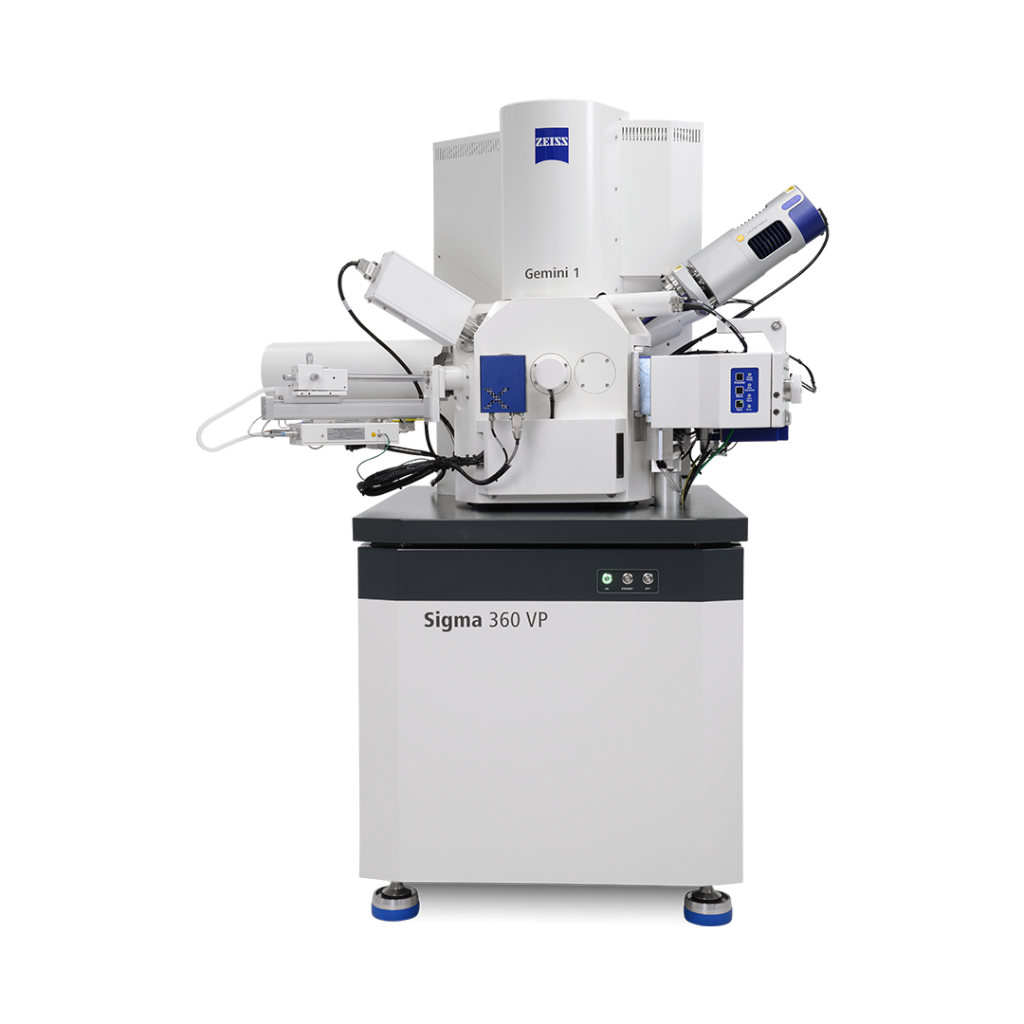
Scanning Electron Microscope
The Zeiss SEM scanning electron microscope provides high-resolution imaging essential for materials science, biology, and semiconductor inspection. With its advanced electron column and precise detection system, it delivers exceptionally clear, detailed surface images at nanometer-scale resolutions. The instrument offers versatile operating modes, including high-vacuum and variable-pressure, allowing for the analysis of conductive and non-conductive samples without extensive preparation. User-friendly software integrates seamless navigation, automated functions, and comprehensive analytical tools. Renowned for its robust construction and reliable performance, the Zeiss SEM is a cornerstone instrument in both industrial quality control and advanced academic research, enabling critical discoveries and precise material characterization.
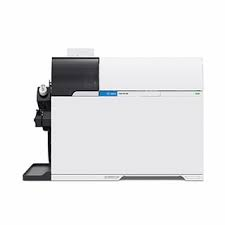
Inductively Coupled Plasma Mass Spectrometry (ICP-MS)
The Zeiss SEM scanning electron microscope provides high-resolution imaging essential for materials science, biology, and semiconductor inspection. With its advanced electron column and precise detection system, it delivers exceptionally clear, detailed surface images at nanometer-scale resolutions. The instrument offers versatile operating modes, including high-vacuum and variable-pressure, allowing for the analysis of conductive and non-conductive samples without extensive preparation. User-friendly software integrates seamless navigation, automated functions, and comprehensive analytical tools. Renowned for its robust construction and reliable performance, the Zeiss SEM is a cornerstone instrument in both industrial quality control and advanced academic research, enabling critical discoveries and precise material characterization.
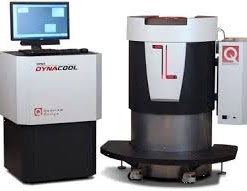
Magnetometer
The Quantum -VSM in a PPMS is fully automated platform for comprehensive low-temperature and high-magnetic-field material characterization. It integrates a superconducting magnet and a precise cryostat, enabling measurements from 1.9 K to 400 K and fields up to 9 Tesla. The system facilitates a suite of experiments like magnetization measurement, susceptibility study and so on. This versatile instrument is vital for condensed matter physics and materials science research, providing critical insights into superconductivity, magnetism, and thermoelectric properties of novel materials.
Prof. Raghavaiah Pallepogu
Prof. Raghavaiah Pallepogu is a Professor of Chemistry at the Central University of Karnataka, Kalaburagi. He earned his M.Sc. from the University of Hyderabad and his Ph.D. from Goa University, with postdoctoral experience at the University of Cape Town, South Africa. His research focuses on chemical crystallography, supramolecular chemistry, pharmaceutical cocrystals, and crystal engineering. He has received the UGC Dr. D. S. Kothari Postdoctoral Fellowship and has led several funded research projects. Prof. Raghavaiah has guided doctoral students and published extensively in reputed international journals.
Prof. Rajeev Shesha Joshi
Prof. Rajeev Shesha Joshi is an Professor of Physics at the Central University of Karnataka, Kalaburagi. He obtained his Ph.D. in Physics from Shivaji University, Kolhapur, with specialization in solid-state physics. His research interests include spintronics, Device Physics, magnetism in low-dimensional systems, magneto transport, ionics. Dr. Joshi has served as post-doctoral Fellow at Indian Institute of Science and University of Cambridge. He has published extensively in reputed international journals and actively contributes to academics, administration and innovation initiatives.
Dr. Satish Ture
Dr. Satish Ture an experienced researcher with a strong industrial R&D and academic research background, including process development, impurity synthesis, purification, and advanced characterization techniques. Worked on high-energy materials involving synthesis, thermal, optical, structural, and safety studies. Possess extensive expertise in handling, routine maintenance, troubleshooting, and coordination of installation of sophisticated research instruments such as Bruker NMR-600 MHz- TXI & TBO probe, Thermo Orbitrap Exploris 120 LC-HRMS- Compound & Proteome discoverer etc. Recipient of fellowships and awards, including the Karnataka DST-PhD Fellowship (2021), University Research Studentship (2019), and Research Fellowship under GUGPEL Project (2018). Qualified KSET (2017) for Lectureship (UGC-accredited). Completed a Certificate Course in Chemical Analysis (2012-2013).
User FORM
User Charges